Curriculum
The Western Australian Curriculum - taught on Country
We don't teach the curriculum as eight separate subjects. We teach children, on Country, through projects - and map the rich learning that emerges back onto SCSA achievement standards through careful documentation and assessment.
The Eight Learning Areas
What children learn
Each learning area is taught through real, embodied, place-based experience. Below is what each area looks like in practice on our property.
English
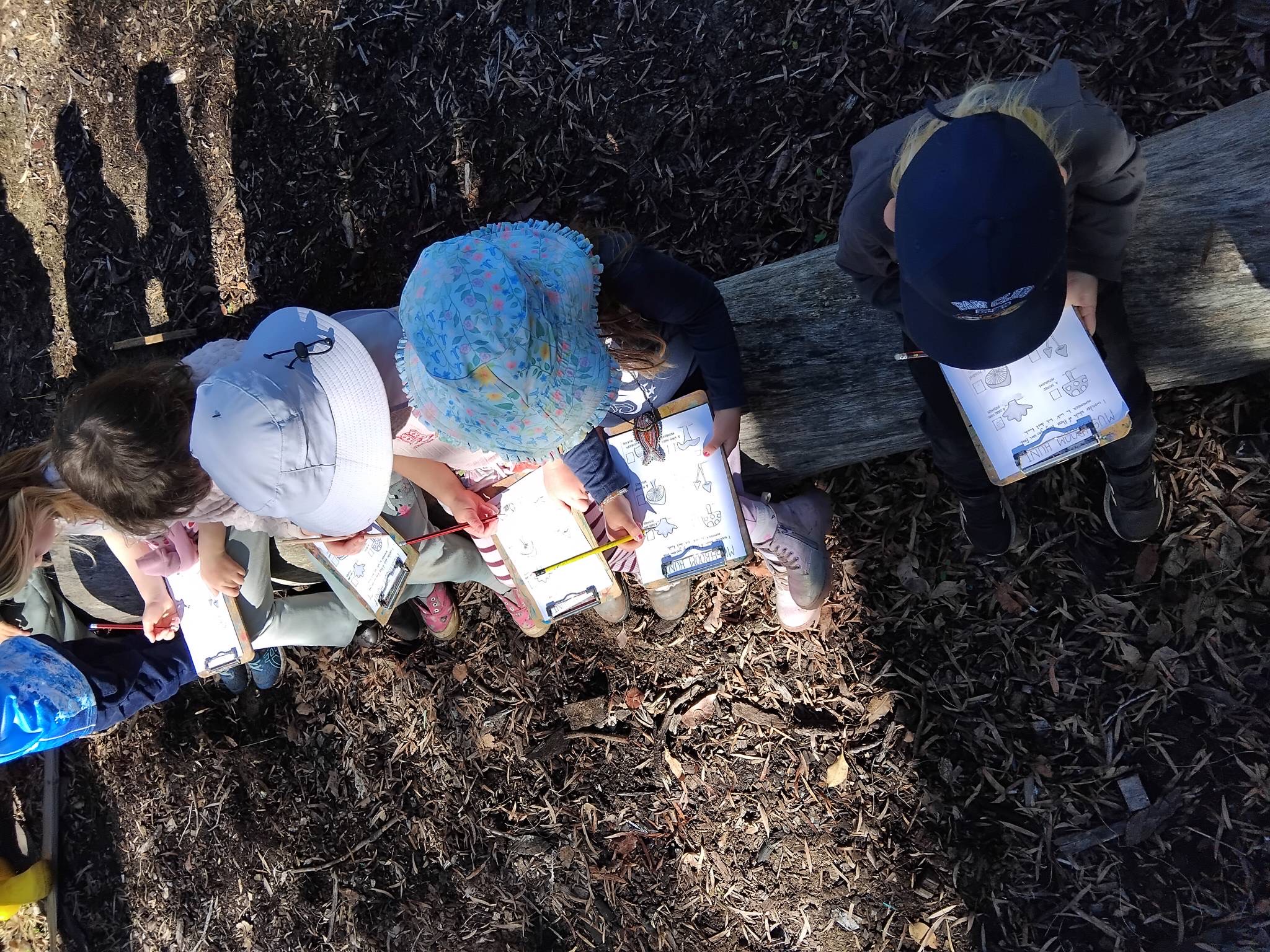
Children become readers, writers, speakers and listeners through stories told around fires, books read in tree forts and letters written to the cockatoos. Systematic phonics taught daily in small groups when appropriate; rich literature shared every day.
- Phonics and guided reading in small groups, integrated throughout the day
- Writing signs, labels and field notes for the garden
- Storytelling around the fire; dictated and illustrated books
- Reader's workshop with independent and shared reading
Mathematics
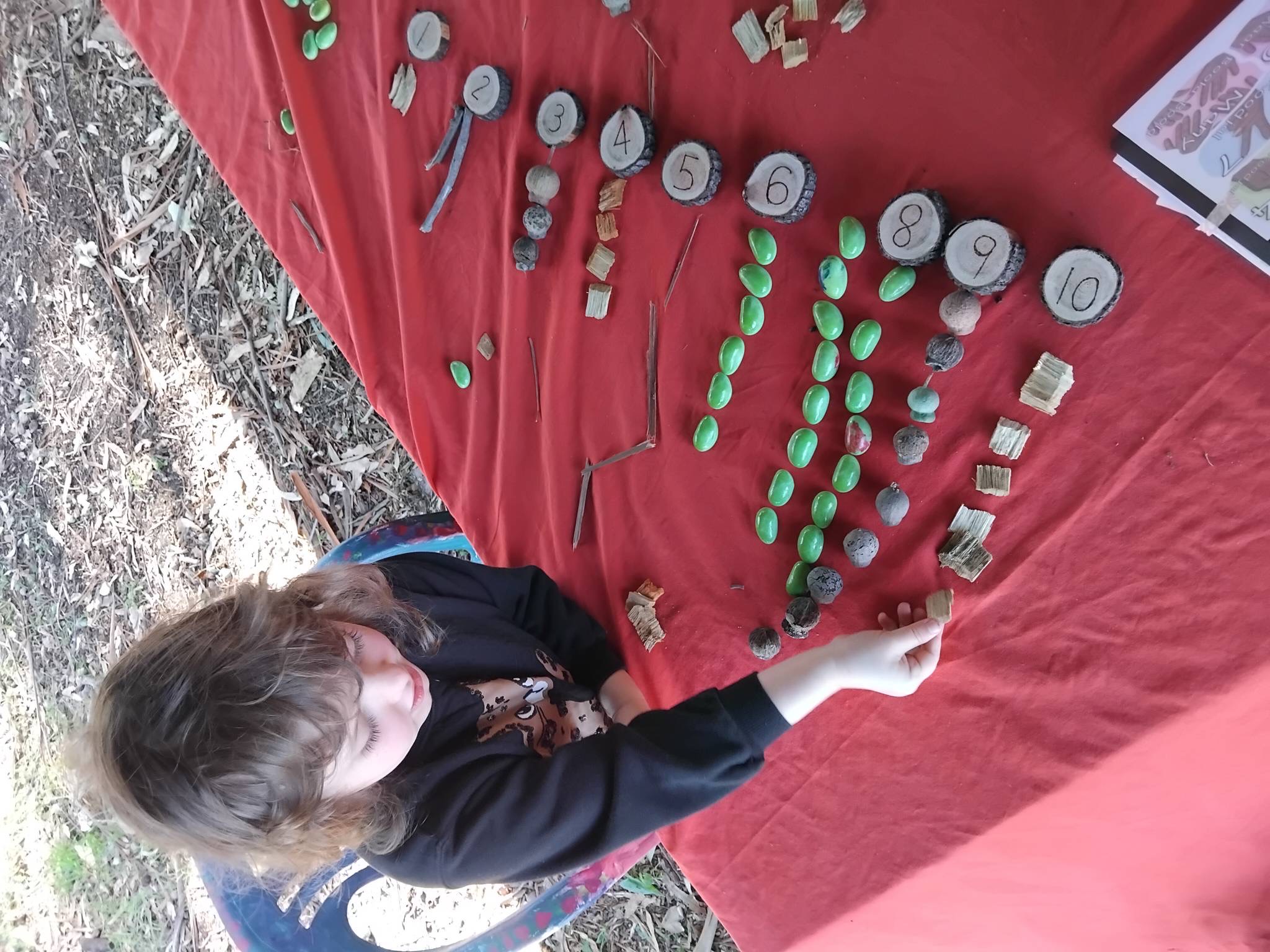
Mathematics lives in counting steps to the dam, weighing the pumpkin harvest, measuring shadows, sharing damper and patterning beads from the silver wattle. Backed up by daily number talks and instruction in number facts.
- Daily number talks and subitising games
- Measurement through cooking, building and gardening
- Data collection from the weather station and dam
- Geometry through construction and natural pattern-finding
Science
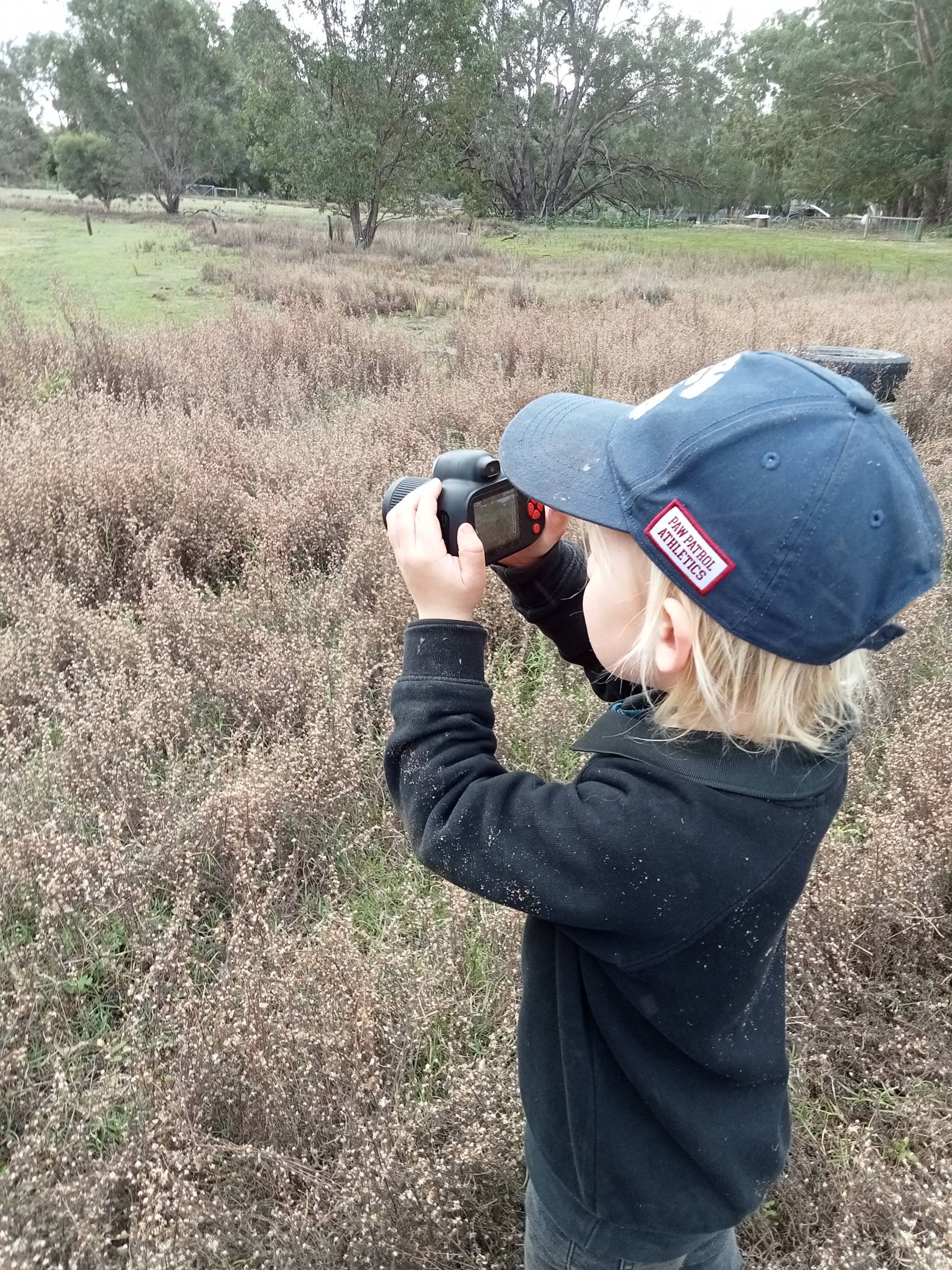
Our property is a living laboratory. Children form hypotheses about why ants march one way today, design fair tests with seeds in different soils, and keep long-running phenological records of the same banksia for years.
- Phenological journals of seasonal change
- Animal observation, tracking and habitat study
- Seed germination and fair-test garden experiments
- Weather monitoring, water cycle and soil science
Humanities and Social Sciences
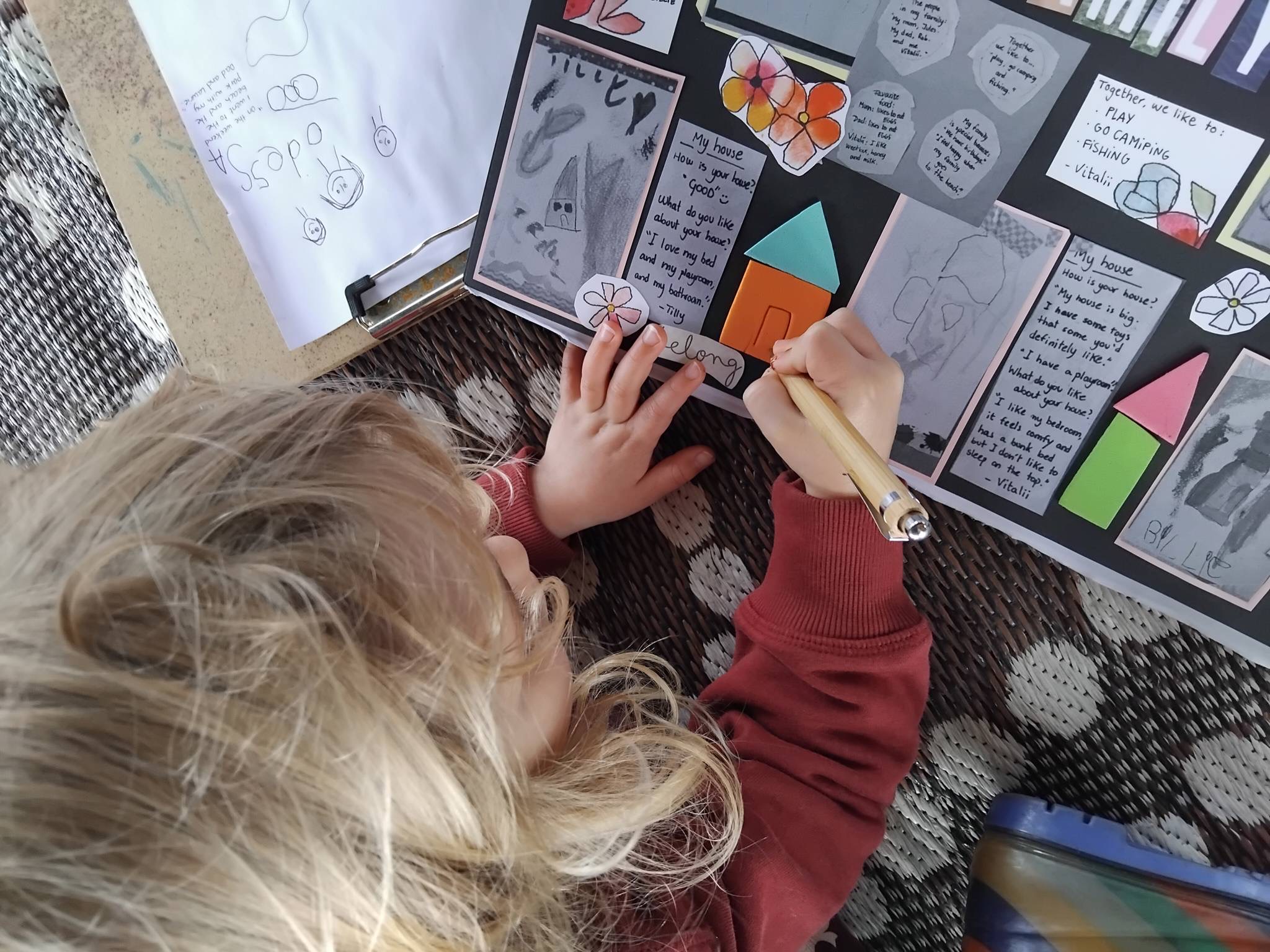
Profoundly place-based - the peoples, economies and histories of this Country, with children as active citizens of school, family and bioregion. Deep-time First Nations, settler and contemporary perspectives are all held.
- Mapping the property, bioregion and Country
- Noongar seasonal calendars and deep-time stories
- Local community partnerships and market visits
- Civics through school decision-making processes
The Arts
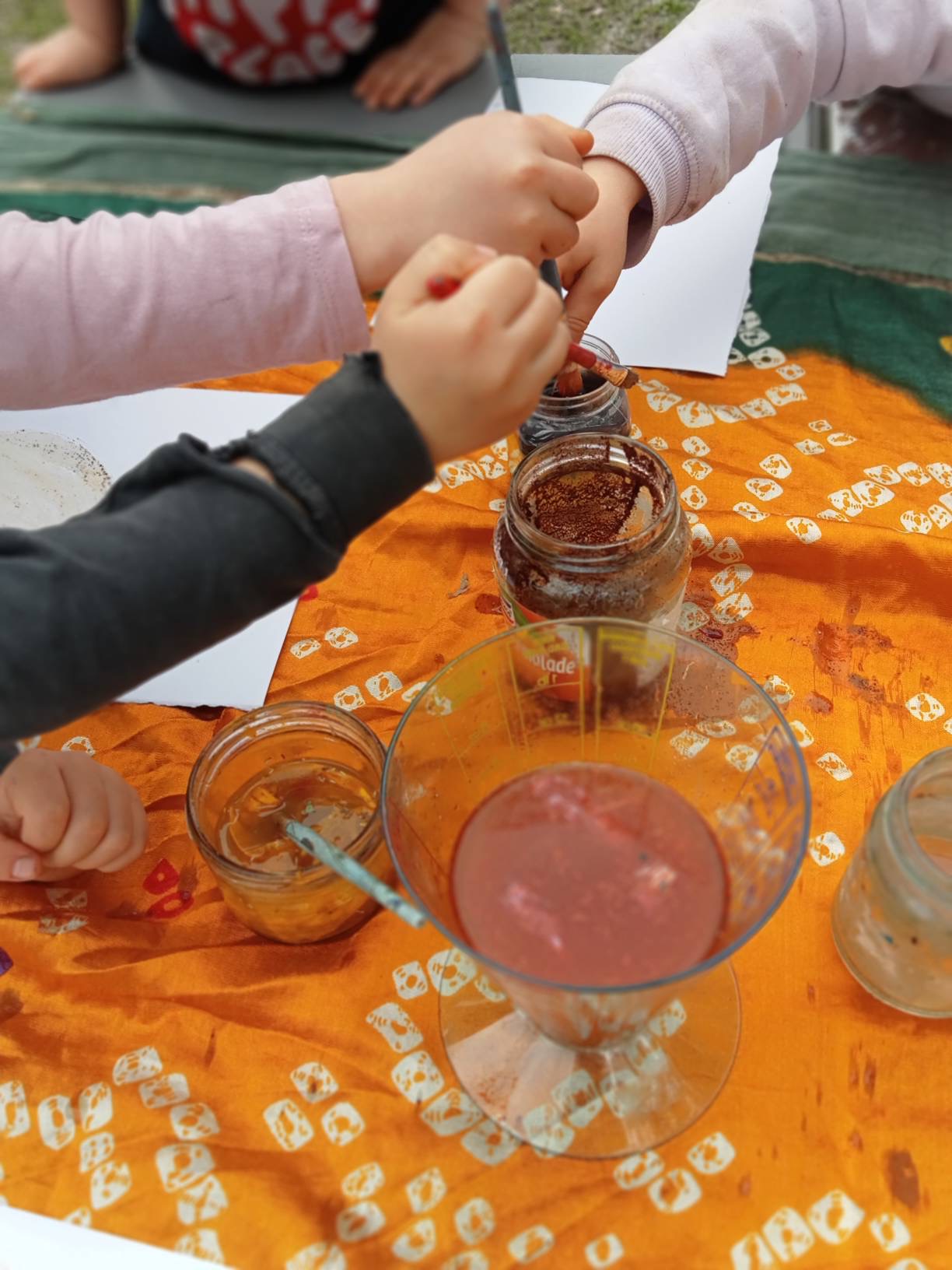
The atelier is the heart of the school. Children work in clay, charcoal, paint, fibre, wood, light, sound, body and voice across Visual Arts, Music, Drama, Dance and Media Arts. Art is a way of asking and answering questions.
- Clay, charcoal and natural pigment studio work
- Weaving, fibre and textile from the property
- Music and song integrated into daily rhythm
- Seasonal performances for the community
Health and Physical Education
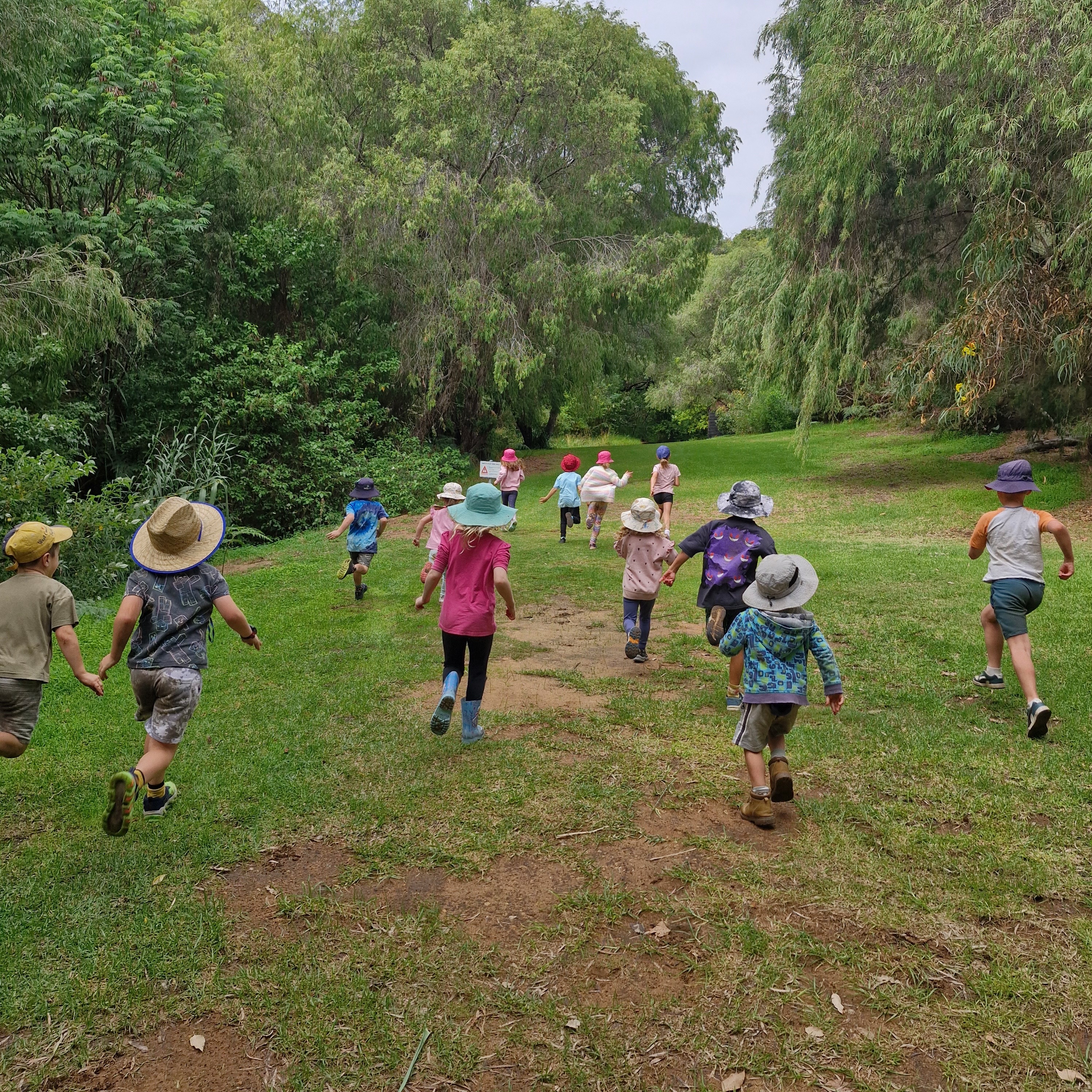
Physical education is woven into every day: walking long distances, climbing, balancing, swimming, lifting and building. Health education focuses on body knowledge, emotional literacy, safe risk-taking, friendship, food and rest, and includes engagement with the Keeping Safe: Child Protection Curriculum.
- Long bush walks, balance beams and obstacle courses
- Zones of Regulation and emotional literacy check-ins
- Food preparation and understanding of nutrition
- Berry Street and trauma-informed wellbeing practices
- Keeping Safe: Child Protection Curriculum
Technologies
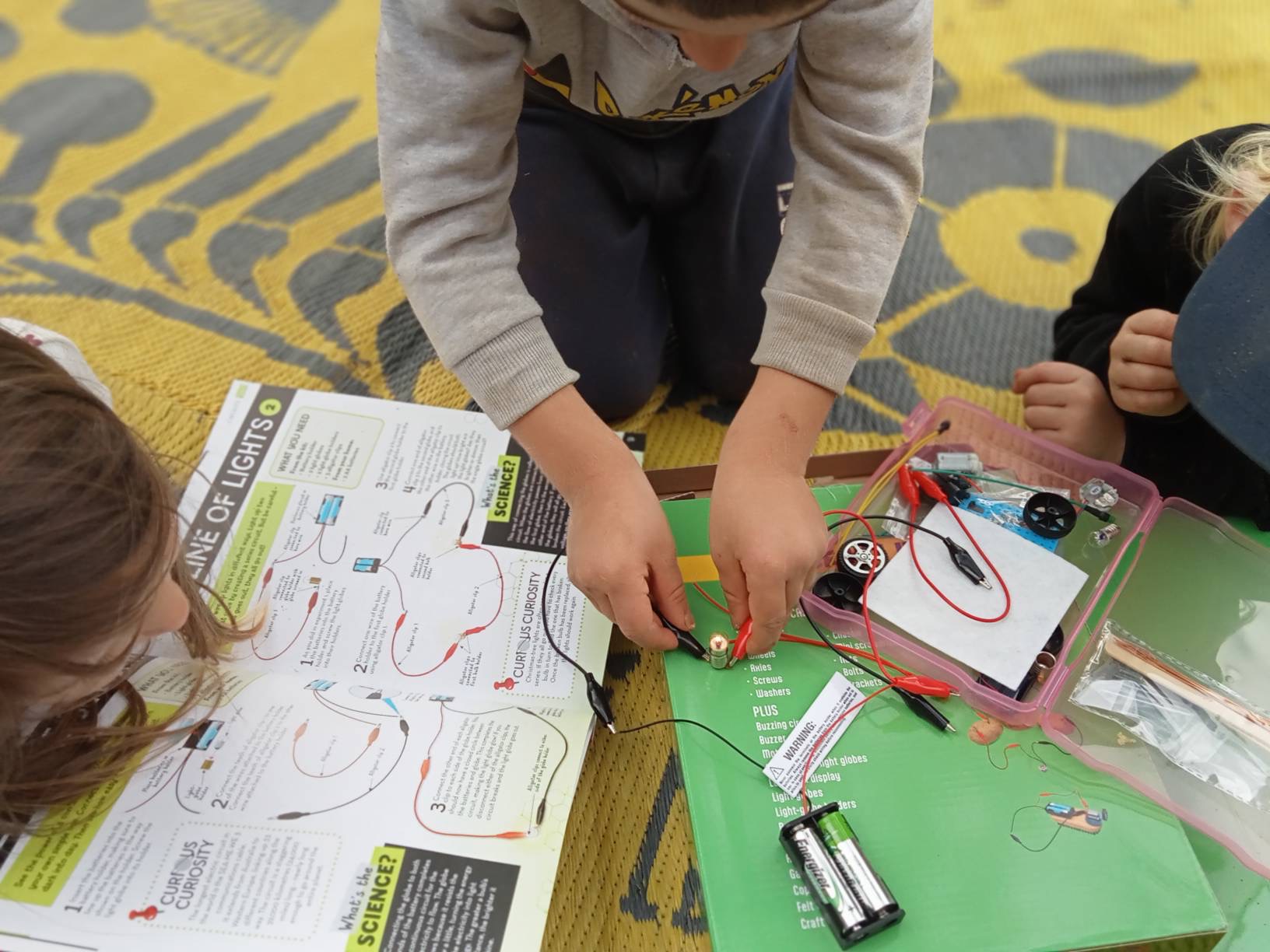
Design and Technologies (solving real problems) and Digital Technologies (data, systems, computational thinking). Most work is hands-on and analogue - woodwork, fibre, food, gardens, simple machines - with a small, intentional dose of digital literacy.
- Woodwork, tool use and construction projects
- Food technology through seasonal harvest and cooking
- Simple machines: levers, pulleys, ramps
- Digital literacy: purposeful, age-appropriate, minimal
Languages: Noongar/French
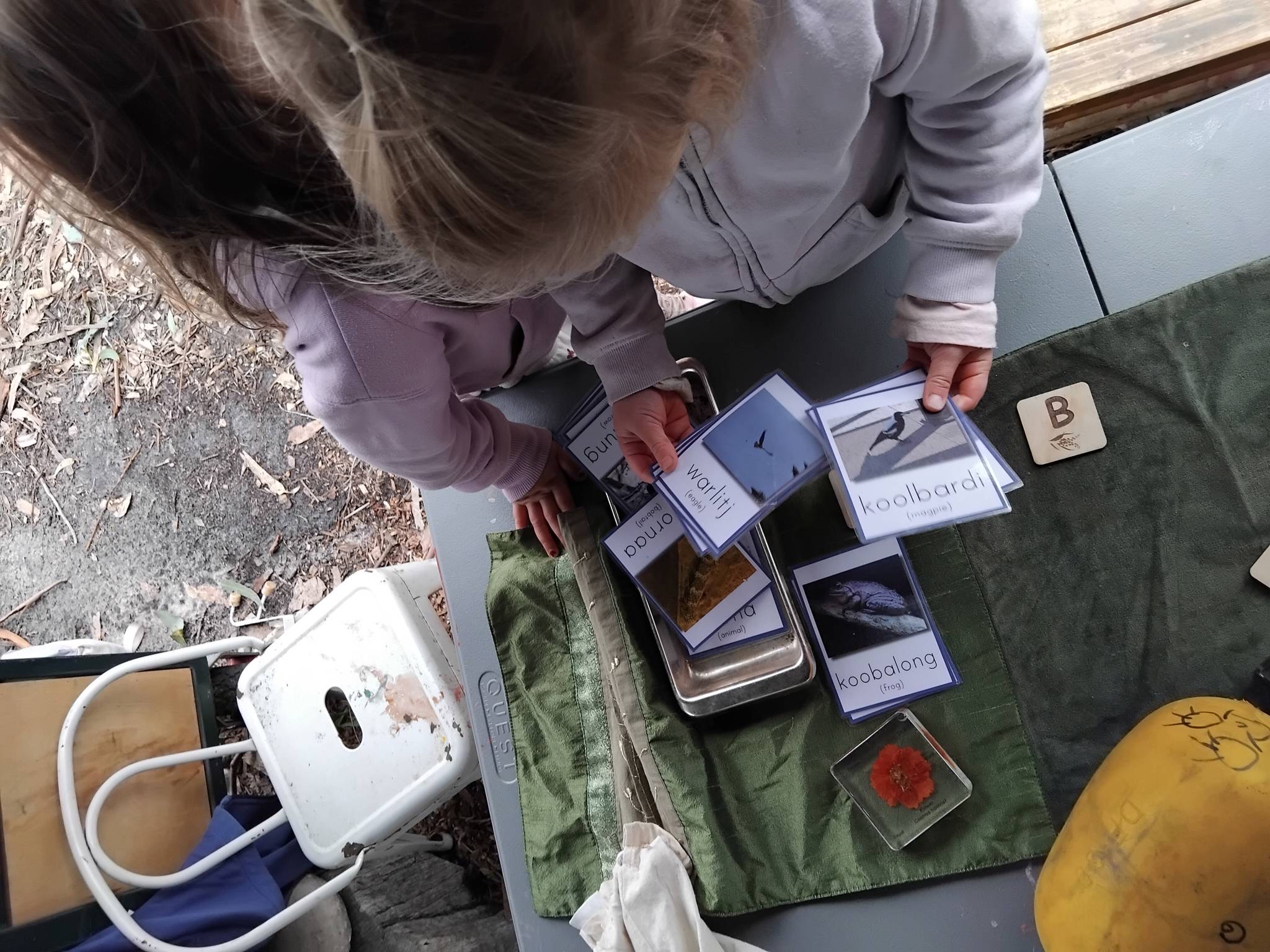
Children learn Noongar language through song, story, plant and animal names and greetings. Where possible, sessions are co-led with a community speaker. Our goal is respectful, ongoing relationship with Country through language. Children are also introduced to French through song, story and everyday vocabulary.
- Noongar names for plants, animals and weather on the property
- Songs and greetings woven into daily routine
- Seasonal vocabulary from the Noongar calendar
- Elder and community speaker visits where possible
- French songs, greetings and everyday vocabulary
Year Levels
Foundation to Year 3 - growing year by year
We propose to open with Pre-primary in 2027 and add one year level each year. Here is what learning looks like at each stage.
The first year is rooted in the Early Years Learning Framework V2.0. Children develop a sense of identity and belonging, explore the property freely, and begin formal literacy and numeracy through play and project. The transition from Nature's Atelier Early Learning is designed to be seamless - many educators and families will already know each other well.
Children transition into formal SCSA standards while retaining the full play- and place-based character of Pre-primary. Projects become longer and more structured. Phonics moves from introduction to consolidation, with decodable texts used daily. Number facts to 20 are a strong focus.
Children are increasingly independent learners, reading with fluency and beginning to write for real audiences - signs for the garden, field notes, letters to community partners. Mathematical thinking deepens through measurement, data and place value. Project work begins to cross learning area boundaries more explicitly.
The culmination of the first full cycle. Children demonstrate their learning through exhibitions, presentations and portfolios shared with the school community. NAPLAN benchmarks are a checkpoint, not a ceiling. Three-way learning conversations with families and children themselves become the cornerstone of assessment.
A Day at Nature's Atelier
An Example of what a day might look like
The shape of the day is steady; what fills each block changes with the project, weather and season. Core skills are embedded in every block - no period of the day is free from intentional learning.
The Year by Noongar Seasons
Six seasons, one year of learning
Our long-term planning follows the six Noongar seasons rather than the four-term Gregorian calendar. Term planning, festivals, garden work and seasonal projects all flex around what the land is actually doing.
Long-term Projects
Illustrative examples from our curriculum
Each year-level group runs two or three long-term projects (4–10 weeks). These are illustrative - actual projects emerge from sustained observation of children's interests and will look different each year.
The Puddle Investigation
Children noticed the same puddle appeared and disappeared. Why? They measured it, mapped it, photographed it daily for three weeks, and built a hypothesis about the water cycle. A letter was written to "the sky."
Who Lives in the Wattle?
An investigation into the wattle on the boundary. Children documented insects, birds and fungi over six weeks, created a field guide, and presented their findings to families at a morning exhibition.
From Seed to Table
A full-term food forest project: harvesting, weighing, comparing varieties, cooking, sharing with the community and documenting the whole journey. Integrated measurement, data, writing and technologies.
What Does This Place Need?
Children designed and built improvements to the property - a mud-kitchen roof, a composting system, a new reading nook - presenting proposals to the board, costing materials and leading construction.
Assessment and Reporting
Continuous, formative and visible
Educators carry sketchbooks, cameras and audio recorders. Each child has an individual learning portfolio that grows over four years and tells the story of their development.
Photographs, transcripts and learning stories that make children's thinking visible.
Running records, phonics screens and maths assessments administered termly.
Every project is mapped to SCSA achievement standards before, during and after.
Three-way conferences - child, family, educator - held twice a year.
Plain-English summary of progress against Western Australian Curriculum achievement standards.